
What is RRSP and why do I need one immediately?
Retirement planning in Canada became far easier with the introduction of the Registered Retirement Saving Plan (RRSP) in 1957. It was specifically created to encourage people to invest in their retirement and to offer them tax-deductible contributions, tax deferral, and tax-sheltered earnings.
What is RRSP?
RRSPs were specially created by the Canadian government to offer a tax-advantaged account that would motivate retirement savings. The advantage in tax is that the payment is deferred to years down the line, when the amount is withdrawn, and not on the number of your contributions to the RRSP on your yearly tax return. The reasoning behind this: at the time of your retirement you will be paying the tax on a lower income rate than during your working years.
Who can contribute?
Anyone who has earned an income and filed a tax return can contribute to an RRSP. There are limits to the amounts that you can contribute and it’s set at 18% of your earned income from the previous year, with a maximum contribution of $27,320 for the 2020 tax year. More can be contributed, but sums over $2,000 will have a penalty levied.
If you are also a member of a pension plan, then the amount will be reduced according to your pension adjustment. If for some reason you cannot meet your RRSP contribution in one year, the amount can be carried forward to the future.
The lifespan of an RRSP
RRSPs must be closed in the year that you turn 71, but can be withdrawn at any age before that. The savings can be withdrawn in cash or can be converted to an RRIF (Registered Retirement Income Fund) or an annuity. Tax is paid on the year of the withdrawal unless the money is used to build or buy a home, and with some conditions, on an education. It is noteworthy to mention that you can withdraw from your RRSP for certain activities without paying income tax on the amount withdrawn. Two important examples are using RRSP savings for purchasing your first home (First Time Home Buyer Program) and continuing education.
What investments can you hold in an RRSP?
These include cash, foreign currencies, gold and silver bars, GICs, savings, and government bonds, treasury bills, mutual funds, segregated funds, ETFs, equities, Canadian mortgages, mortgage-backed securities, and income trusts.
Investments that you cannot hold include precious metals, personal property (art, antiques, gems), commodity futures, debt on hold, investments in entities that you owe more than 10% in, shares in private holding companies and foreign private companies and real estate. Any of these investments in an RRSP will be charged with a tax of 50% of their market value.
Where can you open an RRSP account?
- Life insurance companies
- Investment firms
- Mutual fund companies
- Credit unions
- Banks and trust companies

Retirement concerns most Canadian citizens
According to surveys, 73% of Canadians worry about how much they need to save for their retirement. What facts are their concerns based on?
Decreased government help and corporation benefits
The majority of baby boomers are now approaching retirement age and they fear that the CCP may start feeling the pressure of paying their pensions in the years to come and that it may collapse completely.
Companies are also not offering traditional pension plans anymore. They now mostly offer defined-contribution plans as opposed to defined benefit plans because they are easier to manage and understand. These do not offer the same types of rewards to long-term employees.
Later start to careers
High school education is no longer enough and instead of beginning work at 18 or 20, most people opt for one or more degrees and begin working later. As a result, they enter the workforce with debt that first needs to be repaid before any thoughts are given to retirement planning.
Changes in retirement age and life expectancy
Over the last 30 years, the average age of retirement has been dropping and the typical retiree age has fallen from 65 to 60. In the meantime, life expectancy is increasing thanks to advances in medicine and technology. Most of us will need to ensure that our retirement money lasts over more years than previous generations.
The pressure is on
With fewer years left to earn and save, and more years to spend, you will need to ensure that you contribute a larger amount toward your retirement; especially since less money is forthcoming from government and employer contributions. Savings in the bank are also constantly under pressure as interest rates continue to fall.
Contact our expert advisers today. They are fully qualified to help you work out how best to meet the future needs of your retirement.
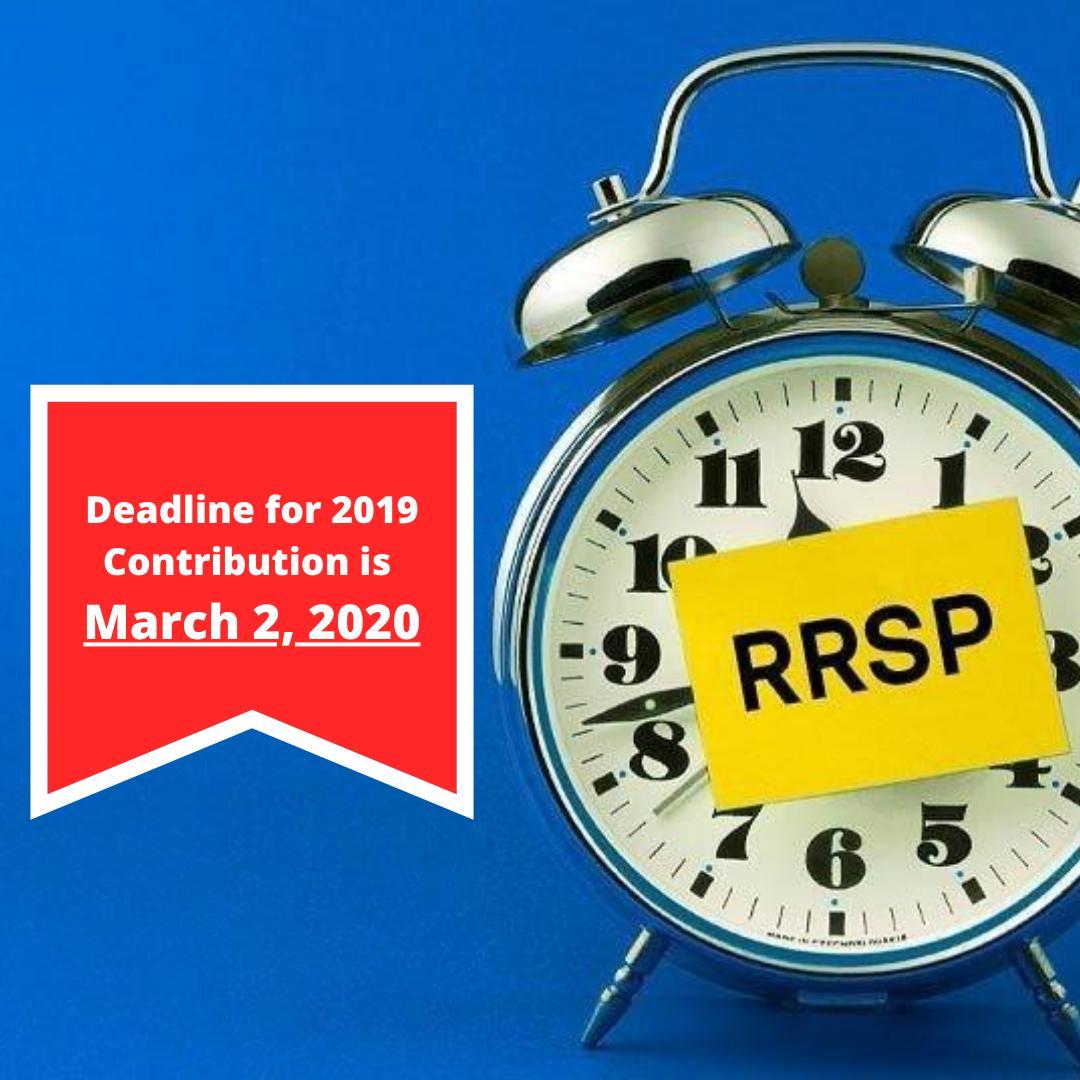
The deadline for your 2019 contributions is set to March 2nd, 2020.